
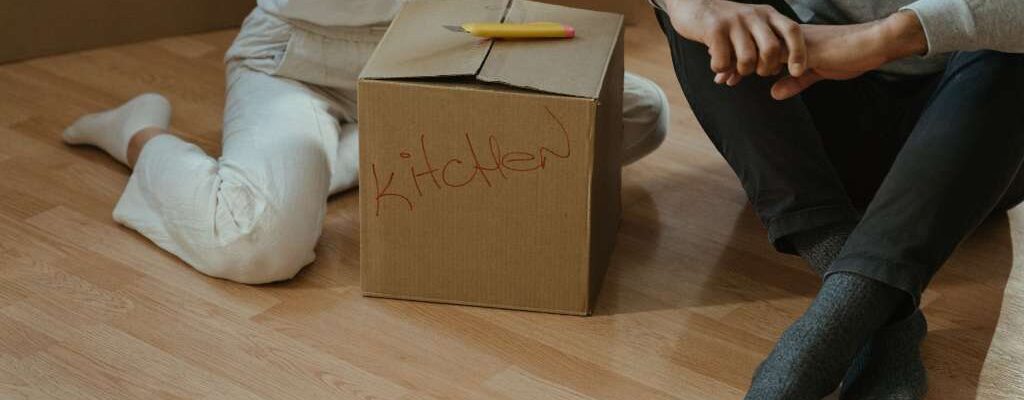
In a world where comfort meets style, our furniture stands as a testament to our personal taste and the stories we cherish. Whether it’s an elegant sofa that cradles family gatherings or a vintage dresser passed down through generations, these pieces define our living spaces and serve as daily reminders of the moments that shape our lives. Yet, in the hustle and bustle of moving or redecorating, they can be vulnerable to damage. Enter GoodLife Movers—experts in the art of relocation, dedicated to ensuring that your beloved furniture remains unscathed throughout the process. In this article, we’ll explore thier essential protection tips that can safeguard your cherished items, preserving both their beauty and your memories for years to come. Let’s embark on a journey to protect your furniture and ensure every piece is handled with care.
Understanding the Value of Furniture Protection
Investing in furniture protection is not just about maintaining aesthetics; it extends the lifespan of your cherished pieces and enhances your living space. Furniture frequently enough represents a ample investment, and the potential for wear and tear is an ever-present concern. Whether it’s from daily usage, accidental spills, or unexpected scratches, safeguarding these items can save you from costly replacements and repairs. By learning how to properly protect your furniture, you not only preserve its beauty but also contribute to a lasting lifestyle by reducing waste.
Consider these essential strategies for effective furniture protection:
- Use Quality covers: Invest in high-quality protective covers that fit your furniture snugly, preventing dust and damage.
- Regular Maintainance: Establish a routine cleaning schedule to keep your furniture in top condition.
- Placement Matters: Position furniture away from direct sunlight to avoid fading and against walls to minimize scratches.
- Protective Pads: Utilize felt or rubber pads under heavy items to avoid scratches on surfaces.
| Type of furniture | Recommended Protection |
|---|---|
| Wooden Tables | Coasters and tablecloths |
| Leather Couches | Leather conditioner and barriers |
| Upholstered Chairs | Fabric protector sprays & slipcovers |
Essential Packing techniques for Damage Prevention
When preparing to move your cherished furniture, employing the right packing techniques can considerably mitigate the risk of damage. Start by utilizing high-quality packing materials to ensure that every piece is properly cushioned and secured. Consider the following essentials:
- for padding around delicate surfaces
- to shield larger items against scratches
- to secure wrapped items
- for smaller, detachable pieces
Next, pay close attention to how you disassemble and organize your furniture. Create an to keep track of each item’s components, including screws and bolts. this will not only make the reassembly process smoother but also prevent any pieces from being lost. For clarity, consider using a table to outline your items and their corresponding components:
| Furniture Item | Components |
|---|---|
| coffee Table | Legs, screws, glass top |
| Bookshelf | Shelves, nails, support brackets |
| Dining Chair | Seat, backrest, legs, bolts |
Choosing the Right Moving Supplies for Safety
When preparing for a move, selecting the right supplies is crucial to ensure that your furniture arrives at its destination unscathed. Prioritize high-quality packing materials that offer maximum protection. Essential items to consider include:
- Sturdy cardboard boxes: Choose boxes that can support the weight of your items without bending or breaking.
- Bubble wrap: Perfect for cushioning delicate belongings and preventing scratches.
- Furniture pads: Essential for wrapping your larger pieces and protecting them from dents and dings.
- Stretch wrap: Ideal for securing loose parts and preventing doors or drawers from opening during transit.
- Packing tape: Invest in heavy-duty tape to secure boxes and bindings effectively.
A well-organized packing strategy can further enhance the safety of your valuables. Create a system that clearly identifies the contents and fragility of each box.Utilize a simple labeling method:
| Label Color | Content Type | Fragility level |
|---|---|---|
| Red | Fragile Items | High |
| Yellow | Medium Items | Moderate |
| Green | Sturdy Items | Low |
This structured approach not only makes unloading easier but ensures you handle every box with the appropriate care level. By combining protective materials and organized labeling, you can significantly reduce the risk of damage during your move.
Post-Move Care: Maintaining Furniture in Your New Space
After the excitement of moving, it’s crucial to give some attention to your furniture to ensure it remains in pristine condition. Start by positioning your pieces wisely. Avoid placing anything directly in front of heating vents or air conditioning units to prevent warping or fading over time. Consider using furniture coasters or pads under your legs to avoid scratches on your new floor. To further protect your furniture:
- Dust Regularly: Keep surfaces clean by dusting weekly to prevent build-up.
- Use Furniture Polish: Apply a quality polish to wood surfaces to maintain their luster.
- Avoid Direct Sunlight: Curtains or blinds can shield your furniture from harmful UV rays.
- Monitor Humidity Levels: A dehumidifier can help prevent moisture damage, particularly in humid climates.
Additionally, a little love and maintenance go a long way for your upholstered items as well. Rotate cushions periodically to promote even wear and consider using a vacuum with an upholstery attachment to keep them looking fresh. If you have any antique or specialty pieces, referring to a care guide can be immensely beneficial. To help you navigate these needs, here’s a quick reference:
| Furniture Type | Care Tips |
|---|---|
| Wood | Dust weekly; apply polish every 1-3 months. |
| Upholstered | vacuum monthly; rotate cushions every season. |
| Leather | Condition every 6 months; clean spills promptly. |
The Way Forward
safeguarding your furniture during a move is not just about preventing damage – it’s about preserving the memories and importance tied to each piece. GoodLife Movers’ protection tips equip you with the knowledge and strategies to ensure your belongings arrive at your new home unscathed. By investing a little time and effort in proper packing, using quality materials, and understanding the best moving practices, you can breathe easy knowing your cherished items are well-protected. As you embark on your next adventure,let these tips guide you in creating a stress-free moving experience.Remember,the journey may take you to new places,but your furniture deserves the care to continue sharing stories in your new space. Happy moving!