
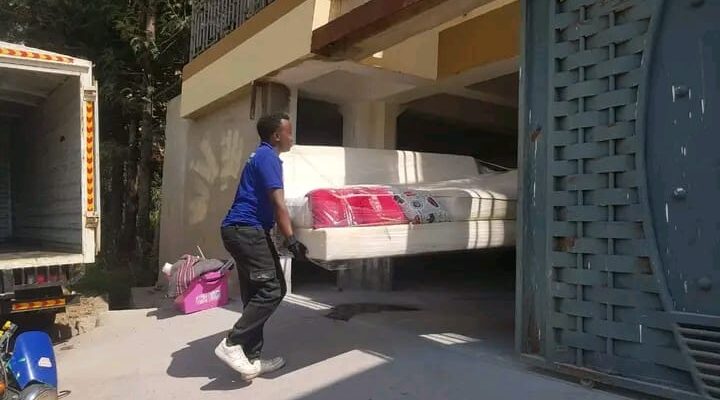
in an age where knowledge is not just power but also a precious resource, the preservation and relocation of libraries and archives stand as pillars of cultural heritage.Yet, the process of moving vast collections of books, manuscripts, and artifacts is no small feat. Enter Goodlifemovers, a specialized team adept at navigating the intricate maze of logistics that comes with relocating libraries and archives. With an unwavering commitment to safeguarding the stories encapsulated in every volume, Goodlifemovers combines expertise in both relocation and preservation to ensure that no page is left behind. In this article, we will explore how their innovative strategies and meticulous attention to detail are setting new standards in the field of relocation, making the journey from one shelf to another as seamless as the narratives they carry.
Understanding the Unique Challenges of Library and Archive Relocation
Relocating libraries and archives presents a myriad of unique challenges that demand meticulous planning and execution. These institutions safeguard not only books and documents, but also priceless artifacts and digital collections. Specialized handling is essential throughout the process to ensure that every item is preserved in its original condition. Factors to consider include:
- Inventory Management: A complete catalog of materials is crucial to avoid loss.
- Environmental Controls: Maintaining appropriate temperatures and humidity levels during transport is vital.
- Staff Training: Personnel must be equipped with knowledge to handle delicate items with care.
In addition to preserving physical items,addressing logistical complexities is key to a accomplished relocation. Establishing a detailed timeline and ensuring communication between all stakeholders minimizes disruption. Considerations for moving include:
| Logistical Factors | Description |
|---|---|
| Route Planning | Choosing a transport route that minimizes risks and inconveniences. |
| Specialized Equipment | Utilizing climate-controlled vehicles to protect sensitive materials. |
| Coordination with Local Authorities | Ensuring all necessary permits and regulations are adhered to during the move. |
strategies for Preserving Integrity and Access During the Move
To ensure that both integrity and access are maintained during a library or archive relocation, meticulous planning is paramount. Begin by conducting a comprehensive inventory of materials, categorizing items based on their importance, format, and condition. This process involves not just listing but also assessing the physical and digital needs of each category. Employing temperature-controlled crates and custom boxes can definitely help mitigate risks associated with fragile or sensitive documents. Furthermore, consider implementing a color-coded tagging system to facilitate swift identification and organization, minimizing disruption to users who rely on these resources. These proactive measures are essential in upholding the continuity of services during the move.
Moreover, engaging a dedicated team of professionals who understand archival practices can greatly influence the success of the relocation process. Encouraging clear communication channels among staff, volunteers, and stakeholders ensures everyone is on the same page regarding the timeline and procedures. additionally, digital backups should be in place to safeguard against any possible data loss. Structured training sessions prior to the move can enhance team preparedness,empowering them with knowledge about handling unique items and technology involved. The focus should remain on user-centered strategies, ensuring that all efforts contribute to a seamless transition while preserving both access and the integrity of the collections for future generations.
Best Practices for Collaborating with Professional Movers
When embarking on a relocation journey with professional movers, especially when dealing with sensitive items like library collections and archival materials, clear communication is key. Begin by having a detailed discussion with the movers about your specific needs, including the types of materials to be moved and any unique handling requirements. Consider creating a digital inventory of your items,highlighting fragile or irreplaceable items with special instructions for their care. This proactive approach can substantially mitigate risks and ensure that your valuable collections are handled with the utmost attention.
Another essential practice is to establish a timeline that aligns with both your schedule and the movers’ availability. Provide any necessary documentation related to your collections well in advance, such as lists of restricted items, so that everyone is on the same page. During the moving process, stay accessible and be prepared to answer questions or make quick decisions as needed. Creating a collaborative work environment helps to foster trust and leads to a smoother transition overall. to illustrate potential timelines and responsibilities, consider the following table:
| Task | Obligation | Timeline |
|---|---|---|
| Initial Inventory prep | Library Staff | 2 Weeks Before Move |
| Detailed Planning session | movers & Library Staff | 1 Week before Move |
| On-Site Coordination | All Parties | Moving Day |
| Post-Move Setup | Library Staff | 1 Week After Move |
Ensuring a Smooth Transition: Post-Move Considerations and Support
Once the physical relocation is complete, the focus shifts to ensuring that the new environment effectively supports the ongoing functions of the library or archive. A smooth transition involves a series of strategic steps to facilitate the acclimatization process. It is indeed essential to conduct a thorough assessment of the new space to identify optimal settings for collections and public access areas. Consider the following key actions:
- Inventory Check: Ensure all items have arrived safely and are intact.
- Signage and Navigation: Implement clear signage to guide visitors through the layout.
- orientation Programs: Organize sessions to inform staff and patrons about the new resources and services.
- Feedback Mechanisms: Establish channels for users to provide feedback on the new environment.
Moreover, support infrastructures like IT systems and archival databases should be immediately tested and optimized to provide uninterrupted service. collaborating with experienced professionals is crucial in this phase. They can assist with troubleshooting and fine-tuning facilities to achieve operational efficiency. Consider the following services to enhance your transition:
| Service | Description | Benefits |
|---|---|---|
| Technical Support | Immediate assistance for tech-related issues. | Minimizes downtime and ensures smooth access to resources. |
| Community Engagement | Programs to connect with local users. | Fosters relationships and builds trust in the new location. |
| Training Workshops | Sessions for staff on new procedures. | Enhances staff efficiency and service delivery. |
The Way Forward
navigating the intricate world of library and archive relocation is no small feat. Goodlifemovers stands out as a beacon of expertise, ensuring that these invaluable resources are handled with the utmost care and precision. Their specialized services not only protect the integrity of the collections but also facilitate a smooth transition to new homes, allowing institutions to continue serving their communities seamlessly. Whether it’s the delicate handling of rare manuscripts or the strategic packing of expansive collections, Goodlifemovers demonstrates a deep understanding of the unique challenges involved. As libraries and archives continue to evolve in an ever-changing landscape,partnering with a trusted expert like Goodlifemovers can make all the difference,paving the way for a brighter future in facts stewardship. So,as you contemplate your next relocation,remember the importance of choosing a team that respects the past while embracing the future,ensuring that every story,every artifact,and every knowledge-seed is carefully preserved and expertly transported.